
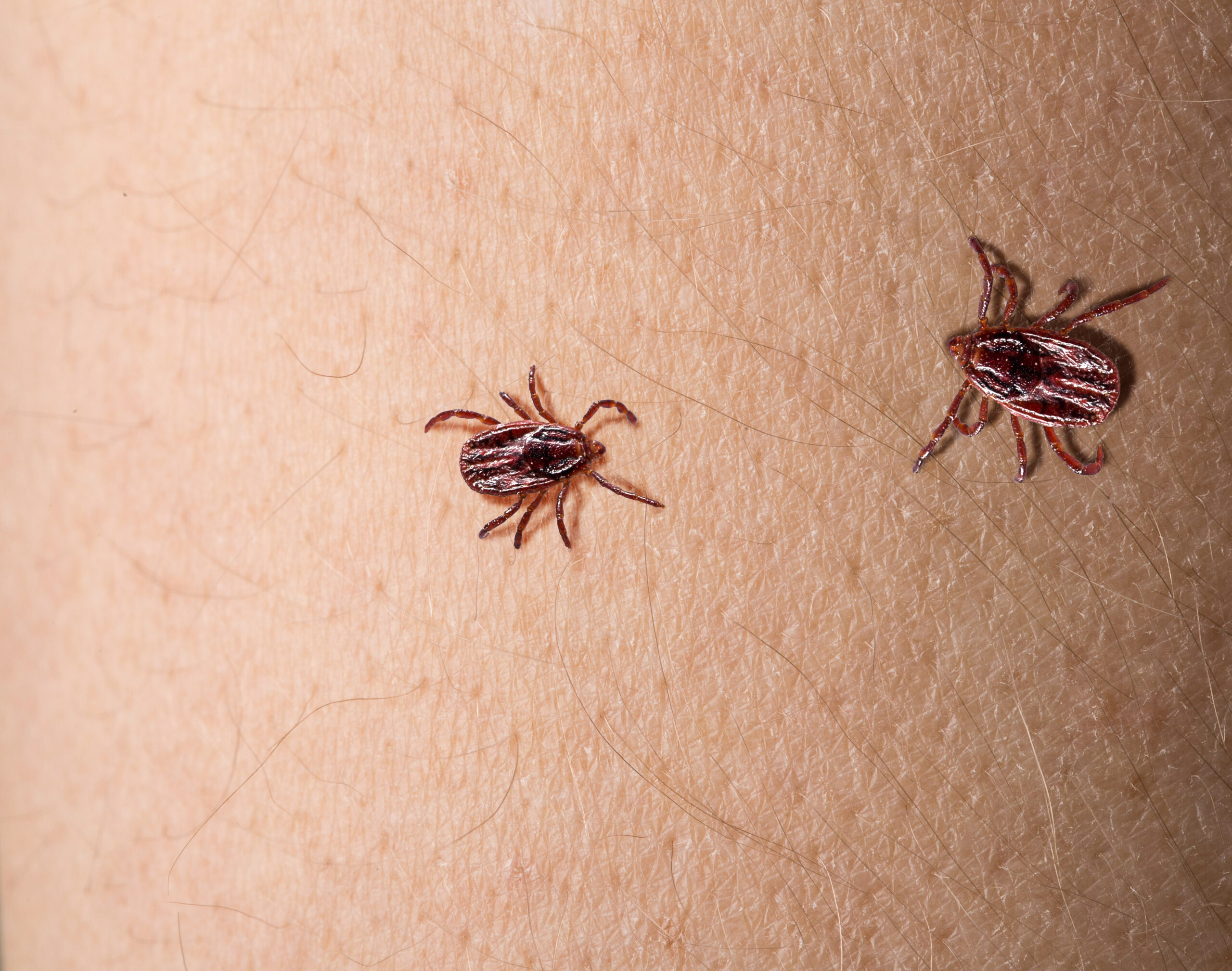
Ticks, Mosquitoes, and Chiggers: The Dangers They Pose and How to Stay Safe
Spending time outdoors is one of life’s simple pleasures. Whether you’re hiking, camping, or just enjoying a sunny day in the backyard, nature offers a welcome escape. But with the beauty of the outdoors comes the reality of bugs, some of which can pose serious risks to your health - especially here in the lush green woods of the south. Ticks, mosquitoes, and chiggers might be small, but they can cause big problems. Fortunately, with the right protection, including repellents like permethrin and picaridin, you can enjoy the outdoors with fewer worries. Let’s take a closer look at these pests, the dangers they present, and how best to protect yourself.
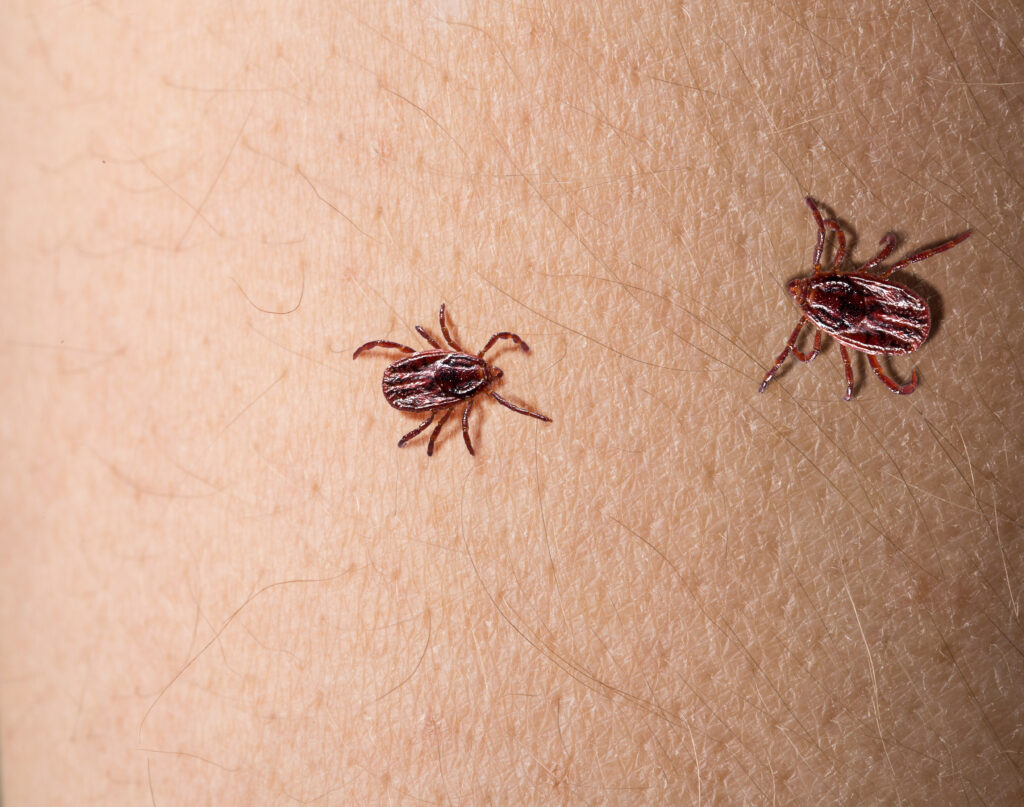
Understanding the Threat: Ticks, Mosquitoes, and Chiggers
Ticks: Tiny but Dangerous
Ticks are more than just annoying—they’re dangerous. These tiny arachnids latch onto their hosts and feed on blood. While feeding, they can transmit harmful diseases. Different types of ticks spread different illnesses, with some of the most concerning including Lyme disease, Rocky Mountain spotted fever, and ehrlichiosis.
- Lyme Disease: Perhaps the most well-known tick-borne illness, Lyme disease is transmitted by black-legged ticks (also called deer ticks). The early signs of Lyme disease often include fever, fatigue, headaches, and a distinctive “bull’s-eye” rash. If untreated, it can lead to joint pain, heart problems, and neurological issues.
- Rocky Mountain Spotted Fever: This illness, spread by dog ticks, can cause high fever, severe headache, and a rash. Without prompt treatment, it can be fatal.
- Ehrlichiosis: Caused by bacteria and transmitted by Lone Star ticks, ehrlichiosis can bring on symptoms like fever, muscle aches, and gastrointestinal issues.
The dangerous part about ticks is how hard they are to notice. Often, you don’t feel them bite, and they can go unnoticed for hours, allowing time to transmit infections.
Mosquitoes: More Than Just a Nuisance
Mosquitoes are known for their itchy bites, but they’re also infamous for spreading diseases. These pests are present in nearly every corner of the world, and certain species are carriers of some dangerous viruses.
- West Nile Virus: Most people infected with this virus show no symptoms, but in severe cases, it can cause neurological issues such as encephalitis or meningitis.
- Zika Virus: While many people infected with Zika don’t experience symptoms, it’s particularly dangerous for pregnant women because it can cause birth defects.
- Dengue Fever: Found mainly in tropical and subtropical climates, dengue can cause high fever, severe headaches, and joint pain. Severe cases can be life-threatening.
- Malaria: Although less common in the United States, malaria is a concern in other parts of the world. It can cause fever, chills, and flu-like symptoms and can be deadly if untreated.
Mosquitoes are notorious for ruining outdoor activities, but the diseases they spread make them much more than a simple annoyance.
Chiggers: Invisible Itch Creators
Chiggers, also known as harvest mites, are tiny larvae that cause big problems. These nearly microscopic pests latch onto your skin and inject digestive enzymes that cause intense itching. The bites often appear in clusters and are most common around areas where clothing fits tightly, such as around the ankles, waistline, or groin.
While chiggers don’t transmit diseases like ticks or mosquitoes, the itching they cause can last for days and lead to infection if the bites are scratched excessively. For anyone who has ever dealt with a case of chigger bites, the discomfort alone is enough to take them seriously.
Repellents: Your Best Line of Defense
Thankfully, there are effective ways to protect yourself from these pests. Two of the best options are permethrin and picaridin. When used properly, they can significantly reduce your risk of being bitten and help keep you safe from the diseases these insects carry.
Permethrin: A Powerful Barrier
Permethrin is a synthetic chemical that’s commonly used to treat clothing, gear, and outdoor fabrics. It works as both a repellent and an insecticide, killing ticks, mosquitoes, and chiggers on contact. Unlike other repellents that are applied to your skin, permethrin is used on your clothing and gear, which creates a protective barrier around you.
- How It Works: When you treat your clothing with permethrin, it binds tightly to the fabric fibers. Once dried, the chemical doesn’t transfer to your skin, but it does repel and kill insects that land on your clothes. This makes it an excellent choice for hiking gear, camping equipment, and even outdoor furniture.
- Effectiveness: Permethrin-treated clothing can remain effective for several washes (typically up to six weeks or six washes, whichever comes first). This makes it a long-lasting solution for extended trips or frequent outdoor activities.
- Where to Use It: In addition to clothing, permethrin can be applied to shoes, backpacks, tents, and sleeping bags. It’s especially useful for areas where ticks and chiggers are common, such as wooded or grassy areas.
Permethrin is generally safe for humans when used as directed. However, it is toxic to cats, so you should avoid applying it around them.
Picaridin: A Safer Alternative to DEET
Picaridin is a newer repellent that’s gaining popularity due to its effectiveness and low toxicity. Like DEET, picaridin works by blocking the insect’s ability to detect human skin, but it’s considered less harsh and more pleasant to use. It doesn’t have the strong odor associated with DEET, and it won’t damage plastics or synthetic materials.
- How It Works: Picaridin is applied directly to the skin, where it creates a protective barrier that repels mosquitoes, ticks, and chiggers. It’s safe for use on both adults and children and is less likely to irritate the skin compared to some other repellents.
- Effectiveness: Studies have shown that picaridin is just as effective as DEET, particularly against mosquitoes and ticks. Depending on the concentration, picaridin can offer protection for up to 8-12 hours.
- Where to Use It: Picaridin can be applied to any exposed skin, and unlike permethrin, it doesn’t need to be applied to clothing. It’s ideal for situations where you need quick, reliable protection, such as short hikes, outdoor events, or when mosquitoes are particularly active in the evening.
One of the major benefits of picaridin is its lack of odor and greasy feeling, making it a more comfortable choice for many people.
How to Use Repellents Safely and Effectively
Using repellents like permethrin and picaridin can greatly reduce your risk of being bitten, but it’s important to use them properly. Here are some tips for getting the most out of your repellents:
- Follow Directions Carefully: Always read the label and follow the manufacturer’s instructions for proper use. Over-application won’t make the product more effective and could lead to unnecessary exposure.
- Apply Repellents in Well-Ventilated Areas: When applying permethrin or picaridin, make sure you’re in a well-ventilated space. This helps prevent inhaling fumes and ensures even application.
- Treat Clothing in Advance: If you’re using permethrin, treat your clothing and gear at least 24 hours before you plan to wear them. This allows the chemical to fully bond with the fabric and dry.
- Reapply as Needed: Depending on the concentration of the repellent, you may need to reapply picaridin every 8-12 hours for continued protection. Make sure you check the product label for details.
- Store Repellents Safely: Keep all repellents out of reach of children and pets. Store them in a cool, dry place away from direct sunlight.
- Don’t Forget the Details: Apply picaridin to all exposed skin, including behind the ears and around the ankles. Ticks and mosquitoes often target these easy-to-miss areas.
Additional Preventive Measures
While repellents are a powerful tool, they’re most effective when combined with other preventive measures. Here are some additional steps you can take to stay safe from ticks, mosquitoes, and chiggers:
- Wear Protective Clothing: Long sleeves, long pants, and high socks can help keep pests off your skin. Tuck your pants into your socks when hiking in areas with high tick or chigger populations.
- Stick to the Center of Trails: When hiking, avoid tall grasses and thick vegetation where ticks and chiggers are most likely to be found.
- Check Yourself for Ticks: After spending time outdoors, do a full-body check for ticks. Pay special attention to areas like your scalp, armpits, and groin. Removing a tick within 24 hours greatly reduces the risk of disease transmission.
- Use Mosquito Netting: If you’re camping in an area with a lot of mosquitoes, consider using mosquito netting around your sleeping area.
- Shower After Outdoor Activities: Taking a shower as soon as possible after being outdoors can help wash off chiggers and remove any ticks that haven’t yet attached to your skin.
In Closing
Ticks, mosquitoes, and chiggers are more than just a nuisance—they pose real health risks. Whether it’s the potential for Lyme disease from a tick, West Nile virus from a mosquito, or the miserable itching caused by chigger bites, it’s important to take these pests seriously. Using repellents like permethrin and picaridin offers the best line of defense. Combined with other preventive measures, these repellents can help you enjoy the outdoors without fear of insect-borne illnesses. So, before you head out on